
Tick Prevention
Protecting Dogs and Cats from Tick-Borne Diseases
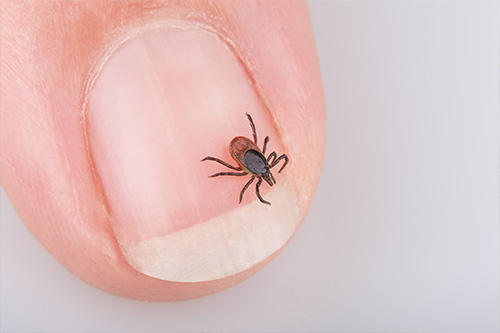
Ticks are becoming increasingly common across many regions, and tick-borne diseases in pets are a growing concern. These parasites attach to your pet’s skin and transmit infections through their saliva while feeding. Conditions such as ehrlichiosis and anaplasmosis are frequently diagnosed in dogs, especially in areas with high tick exposure or in pets that travel or are adopted from high-risk regions.
Common Tick-Borne Diseases in Pets
Ticks can carry and transmit several serious illnesses that may impact your pet’s health, including:
- Ehrlichiosis
- Anaplasmosis
- Lyme disease
- Rocky Mountain spotted fever
- Babesiosis
- Tick paralysis
Symptoms of tick-related illnesses in dogs and cats can often be subtle and may include joint pain, lameness, lethargy, fever, coughing, difficulty breathing, reduced appetite, or unexplained weight loss. If your pet shows any of these signs—especially after outdoor activity—it’s important to seek veterinary care promptly.
Prevention Is the Best Protection
Consistent use of veterinarian-approved tick prevention for pets is the most effective way to reduce risk. We offer a range of safe and reliable options, including oral and topical treatments that also protect against fleas and other parasites.
Whether your pet spends most of their time indoors or frequently enjoys outdoor activities, our team will help you select the most appropriate tick control solution based on your pet’s lifestyle.
Year-Round Protection & Testing
Even indoor pets are at risk, as ticks can be brought into the home on clothing or shoes. That’s why year-round tick prevention is essential for all pets.
We also recommend annual tick-borne disease testing for pets, which includes a simple in-house blood test that screens for:
- Heartworm disease
- Lyme disease
- Ehrlichia
- Anaplasma
This quick test requires only a small blood sample and helps detect infections early—often before symptoms develop.
What to Do If You Find a Tick
Finding a tick on your pet can be concerning, but it doesn’t always mean prevention has failed. Many tick preventives for dogs and cats work by killing ticks after they attach. It’s still important to check your pet regularly, especially after outdoor exposure. Focus on areas such as:
- Around the ears
- Under the collar
- Between the toes
- Along the belly and groin
To safely remove a tick, use fine-tipped tweezers and grasp it close to the skin. Apply steady, even pressure and pull upward without twisting. After removal, clean the area with antiseptic or soap and water, wash your hands thoroughly, and dispose of the tick properly. If you notice redness, swelling, or are unsure if the tick was fully removed, contact your veterinarian.
Expert Guidance & Ongoing Care
If you have questions about tick prevention and control for pets or want to start a protection plan, our team is here to help. We provide expert guidance, testing, and preventive care to keep your pet safe from ticks and the diseases they carry year-round.