
Dermatology (Skin)
Expert Veterinary Treatment For Pet Skin Allergies
Itching, scratching, licking, and chewing are some of the most common signs of skin allergies in dogs and cats. These symptoms are often caused by environmental allergens such as pollen, grass, weeds, mold spores, and dust mites. This condition, commonly known as atopic dermatitis in pets, is a chronic issue that requires ongoing management.
While pet allergies cannot be completely cured, our goal is to provide effective allergy treatment for dogs and cats, reduce discomfort, and improve your pet’s overall skin health and quality of life.
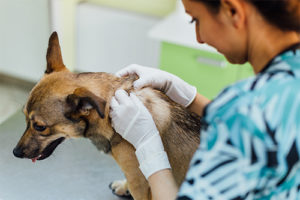
Common Causes of Skin Problems in Pets
In addition to environmental triggers, pets may also suffer from:
- Flea allergy dermatitis
- Food allergies in dogs and cats
- Bacterial or fungal skin infections
During your visit, our veterinary team will carefully assess your pet’s symptoms, medical history, environment, and lifestyle. This helps us identify the root cause and develop a personalized treatment plan tailored to your pet’s specific needs.
Personalized Treatment & Long-Term Allergy Management
We offer a wide range of veterinary dermatology treatments, including:
- Medicated shampoos and topical therapies
- Anti-itch medications and allergy relief treatments
- Prescription diets for food sensitivities
- Preventative flea control solutions
Our approach focuses on long-term allergy management for pets, combining professional care with practical at-home skin care routines. We empower pet owners with the knowledge and tools needed to maintain healthy skin between visits.If symptoms worsen or flare-ups occur, we provide advanced veterinary treatments to quickly restore comfort and control allergic reactions.
Ear Infections & Allergies in Dogs and Cats
Chronic or recurring ear infections in pets are often linked to underlying allergies. These conditions may require seasonal or lifelong treatment.
We help pet owners:
- Recognize early signs of ear infections
- Prevent recurring issues
- Maintain proper ear hygiene
This proactive care reduces discomfort and minimizes the need for emergency veterinary visits.
Diagnostic Testing for Pet Skin Conditions
To accurately diagnose your pet’s condition, we may recommend:
- Skin scrapings and cytology
- Bacterial and fungal cultures
- Blood tests and urinalysis
- Food elimination trials
- Skin biopsies for complex cases
These diagnostic tools allow us to create a targeted and effective treatment plan for your pet.
When to See a Veterinarian
If your dog or cat shows any of the following symptoms, it’s important to seek veterinary care:
- Excessive scratching, licking, or chewing
- Redness, rashes, or inflamed skin
- Hair loss or bald patches
- Scabs or skin infections
- Recurring ear infections
Early diagnosis and treatment are key to managi