
Dog & Cat Mass Removal in San Marcos, CA
Found a lump on your dog or cat? You don't have to wait and worry. At Seacoast Animal Health Center, our San Marcos veterinarians examine the lump, test it to learn what it is, and safely remove it when removal is the right choice. We provide dog mass removal, cat mass removal, lump removal and tumor removal, and we explain every step before we start.
- AAHA-accredited
- Family-owned
- 25+ years experience
- Dogs & cats
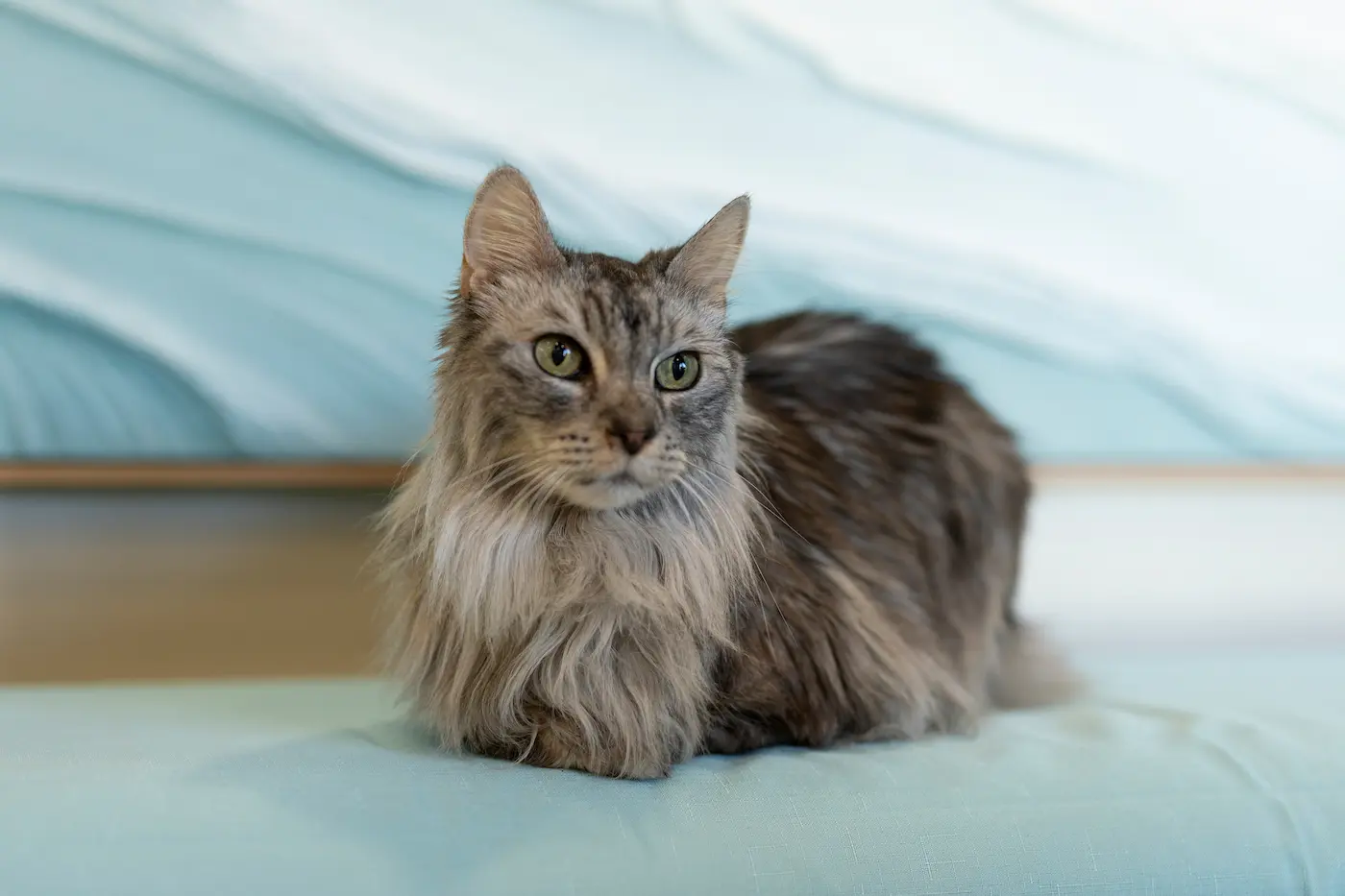
Lump examined
& tested


Found a Lump on Your Dog or Cat? Don't Wait.
A new lump or bump can show up anywhere on your pet: under the skin, on a leg, near the eye or along the belly. Many are benign, like a fatty lump (lipoma) or a cyst. Some are cancerous. You can't tell which is which by looking or feeling, and a mass that seems harmless can change over time. The only way to know is to have a veterinarian examine it and test it.
Early evaluation matters. Catching a growth while it is small gives you more options and, if it turns out to be cancer, a better chance at effective treatment.
How We Find Out What the Lump Is
Exam and history
Your pet's visit starts with a full exam and a conversation about when you first noticed the lump and whether it has changed.
Fine needle aspirate (FNA)
We often then recommend a fine needle aspirate (FNA). This is a quick, minimally invasive test: we collect a small sample of cells from the lump with a thin needle and look at them under a microscope. It helps us understand what kind of growth we are dealing with before surgery, whenever possible.
More testing when needed
Depending on the lump, we may also recommend a biopsy, bloodwork, or imaging such as X-rays or ultrasound so we can see the full picture and plan the safest approach.
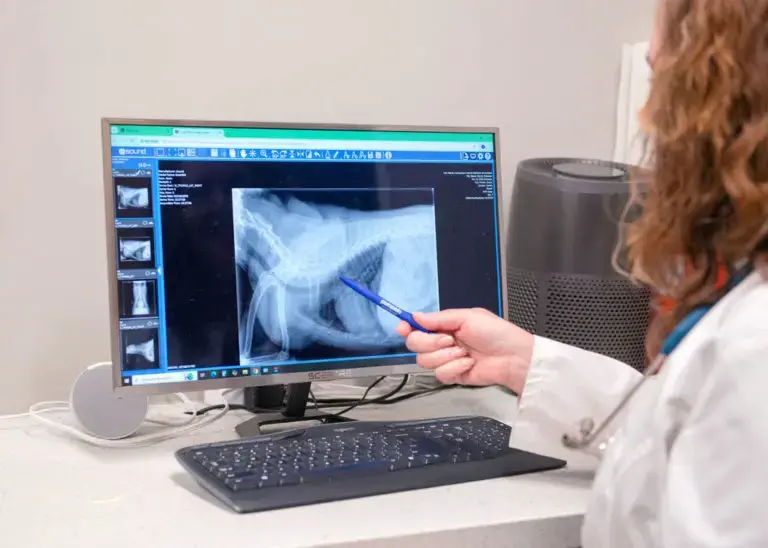
Lump, Mass and Tumor Removal Surgery for Dogs and Cats
When removal is the right choice, our veterinarians perform mass removal for dogs and cats as part of our soft tissue surgery services. This includes:
- Skin and under-the-skin lumps and masses
- Fatty tumors (lipomas):
- Cysts:
- Eyelid masses
- Masses inside the abdomen,
- Abscesses and other growths
Whether your pet needs dog tumor removal, cat tumor removal or canine mass removal, they get an individual surgical plan based on the type, size and location of the growth. For more complex cases, we collaborate with a board-certified veterinary soft tissue surgeon who can perform specialized procedures at our clinic, so your pet may not need to travel to a referral hospital.
You don't have to wait and worry.
Call or book online and we'll find the earliest appointment for your pet.
Does Every Lump Need to Be Removed?
No. Some lumps are safe to watch, and we will tell you honestly when monitoring is reasonable.
We usually recommend removal when a mass is:
- Growing or changing
- Causing discomfort or getting in your pet's way
- Bleeding or infected
- Suspicious on testing, or can't be ruled out as cancer
We talk through the benefits, risks and options so you can decide with confidence. If you'd like another set of eyes on a diagnosis you've already received, we also offer second opinions.
What to Expect: Mass Removal Step by Step
Questions before surgery? Give us a call and we'll walk you through it.
Exam and testing
We examine your pet, check the lump, and usually run an FNA to learn more.
Your plan
We explain what we found, whether we recommend removal, and what surgery and recovery will involve.
Safe surgery
Your pet is under anesthesia and carefully monitored throughout. Learn more about our anesthesia and patient monitoring.
Comfort and recovery
We keep your pet comfortable with pain management and send you home with clear, written aftercare instructions.
Results and follow-up
When appropriate, the removed tissue is sent to a veterinary pathologist. We go over the results with you and talk about next steps.
Why Pet Owners Choose Seacoast
Family-owned and independent. Care decisions are made by people who know you and your pet, not a corporate office.
AAHA-accredited. We voluntarily meet more than 900 standards of veterinary care.
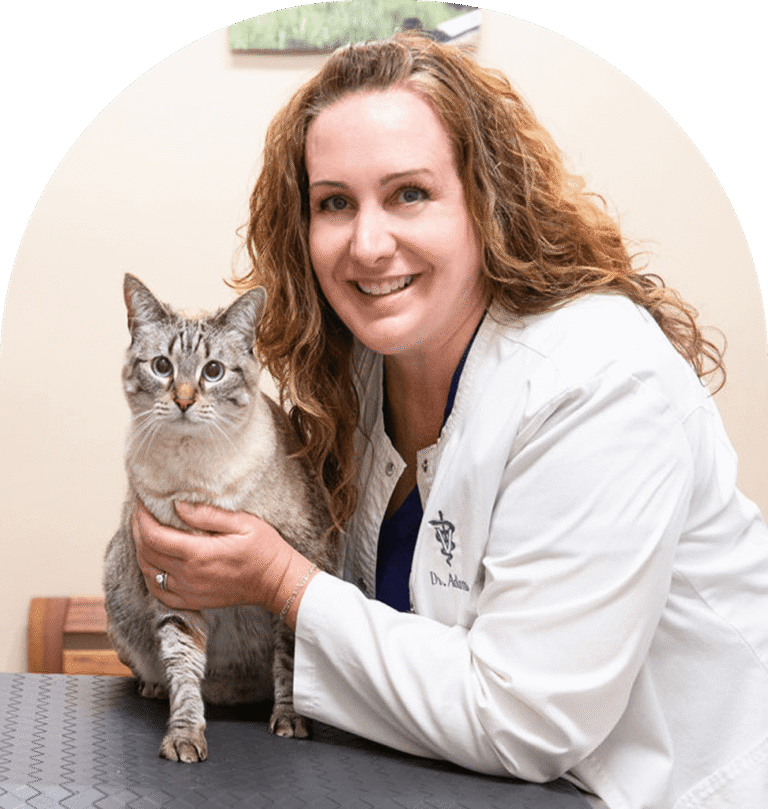
Experienced. Owner and veterinarian Dr. Tanya Adams has more than 25 years of experience, with a special interest in dermatology.
Specialist support when needed. Complex cases can be handled with a board-certified veterinary soft tissue surgeon at our clinic.
Dogs and cats at every age, from puppies and kittens to seniors. Lumps are more common as pets get older, so ask about our senior pet wellness exams too.
Mass Removal Questions, Answered
Don't see your question? Give us a call and we'll talk it through.
Is my dog's or cat's lump cancer?
You can't tell by looking at it or feeling it. Many lumps are benign, but some are cancerous. A veterinary exam and a fine needle aspirate help us find out what kind of growth it is, so you aren't guessing.
What is a fatty lump (lipoma) on a dog?
A lipoma is a soft lump of fat under the skin. It is common and usually benign, but only testing can confirm that. We may recommend lipoma removal for dogs if the lump is large, growing, or limiting movement.
What is a fine needle aspirate?
It is a minimally invasive test where we collect a few cells from a lump with a thin needle and examine them under a microscope. It helps guide the decision about whether, and how, to remove the mass.
How do I know if my dog's lump needs to be removed?
Growth, changes, bleeding, infection, discomfort, or testing that raises concern are all reasons to consider removal. Some lumps can safely be monitored. We'll give you an honest recommendation after the exam.
Is mass removal safe for older dogs and cats?
Age alone isn't a reason to avoid surgery. We look at your pet's overall health before surgery, plan the anesthesia carefully, and monitor your pet closely throughout. We'll go over the risks with you ahead of time.
How long is recovery after mass removal?
It depends on the size and location of the mass and the type of surgery. Most pets need a period of restricted activity and protection of the incision from licking. We give you written aftercare instructions and are here if you have questions.
How much does mass removal cost?
Cost depends on the size, location and number of masses, the testing needed, and how long the procedure takes, so we can't give a fair figure without seeing your pet. After the exam, we explain the plan and give you an estimate before any procedure.
Do you remove lumps and tumors in cats too?
Yes. Cats get lumps too, and any new lump deserves a veterinary exam. We perform lump and tumor removal for cats as well as dogs.
How soon can my pet be seen?
Call us at (760) 760-7973, tell us about the lump, and we'll find the earliest appointment. For urgent needs that aren't emergencies, see our same-day appointment page. If your pet is bleeding heavily, has collapsed, is struggling to breathe or seems in serious distress, go to the nearest emergency veterinary hospital right away.
Mass Removal Near You
Seacoast Animal Health Center is at 727 West San Marcos Blvd., Suite 112, San Marcos, CA 92078, with free on-site and street parking. We serve San Marcos and nearby North County communities, including Vista, Escondido and Carlsbad.
Hours
- Monday, Tuesday, Thursday, Friday
- 7:30 AM–5:30 PM
- Wednesday
- 8:00 AM–5:00 PM
- Saturday and Sunday
- Closed
Appointments are required.
Don't Wait on That Lump
The sooner we look at it, the more options you have. Call us or book online and we'll take it from there.